 Crystal Council Rock Identifier
 Scan to Download
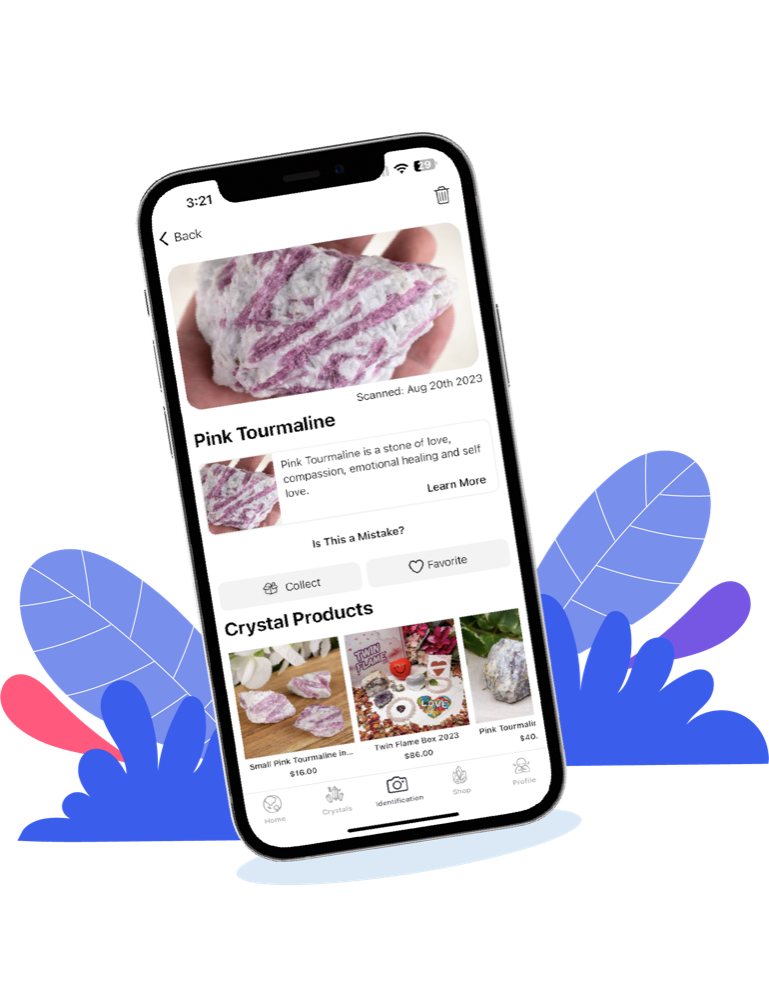

How the Crystal Identifier Works
Three taps from mystery stone to full crystal profile.
Take a photo
Snap your crystal in good light or upload a picture from your camera roll.
Instant match
The app compares it to over 1,000 crystal types and returns the best match.
Explore & save
Read the properties and chakra associations, then add it to your collection.
Crystals the App Can Identify
From everyday quartz to rare collector stones, here are some of the crystals people scan most and how to spot them.
Over 1,000 crystal types including...
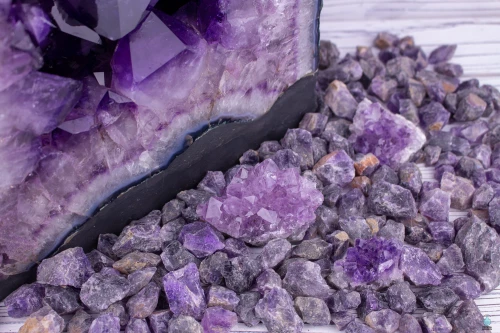
Amethyst
Purple quartz that often grows as six-sided points inside geodes and clusters. Hardness 7, so it scratches glass.
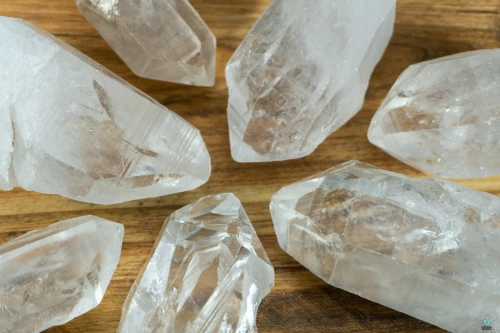
Clear Quartz
Transparent to cloudy and glassy, with a hardness of 7. It breaks in smooth, curved chips rather than flat planes.
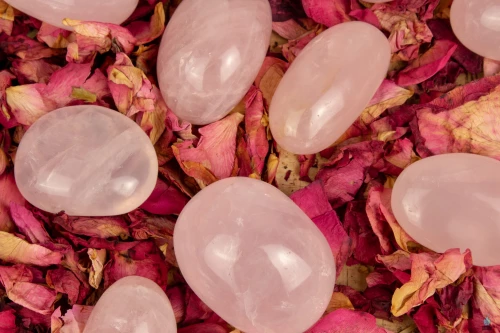
Rose Quartz
Pale pink and usually translucent or milky. It is rarely found as distinct crystals and mostly appears as rounded chunks.
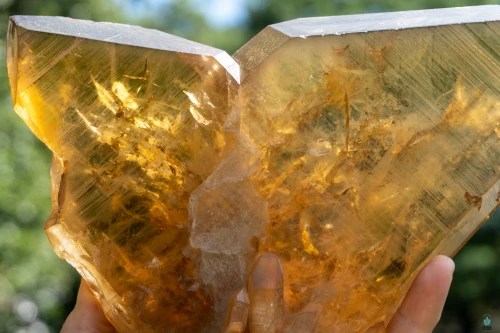
Citrine
Yellow to orange quartz. Much of what is sold as citrine is heat-treated amethyst, so natural stones tend to look paler and smokier.
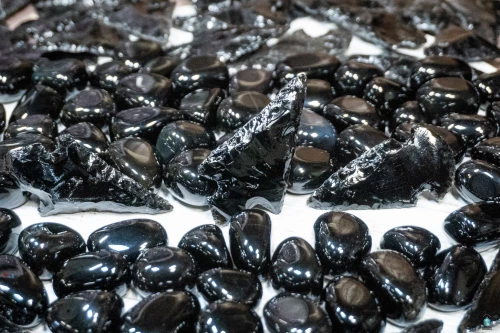
Obsidian
Black volcanic glass with a shiny luster and sharp, curved fracture edges. It has no visible crystals.
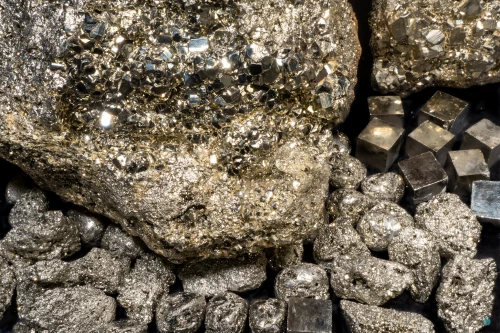
Pyrite
Brassy, metallic "fool's gold" that often forms perfect cubes. It is brittle and leaves a greenish-black streak, unlike real gold.
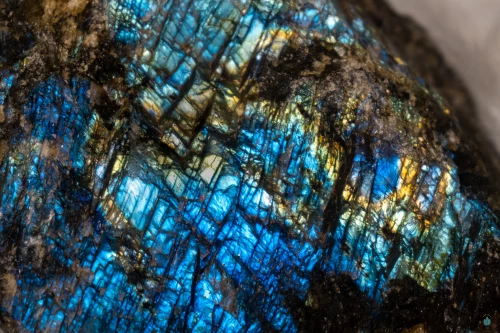
Labradorite
Grey stone that flashes blue, green or gold when you tilt it. That glow is called labradorescence.
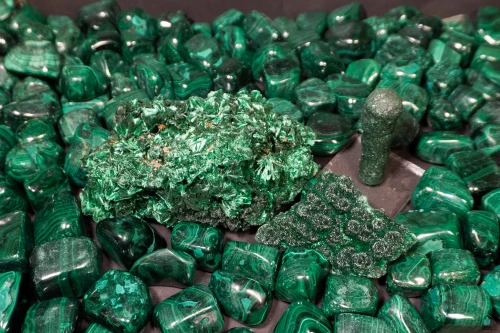
Malachite
Opaque, vivid green with swirling bands. It is soft for a gemstone, around 3.5 to 4 on the Mohs scale.
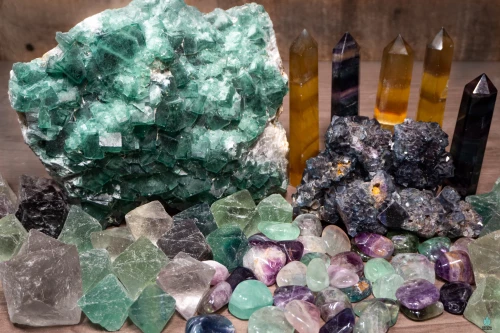
Fluorite
Forms cubes or octahedrons in purple, green, blue and clear. Soft enough, hardness 4, to be scratched by a steel knife.
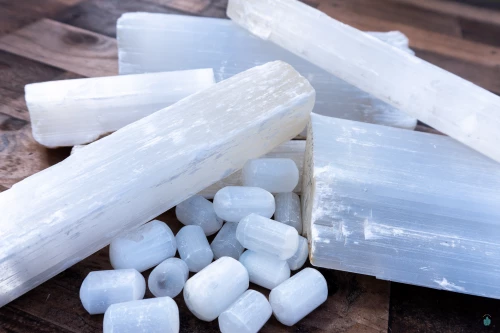
Selenite
Milky white or clear and very soft, hardness 2. You can scratch it with a fingernail, and it often grows in long blades.
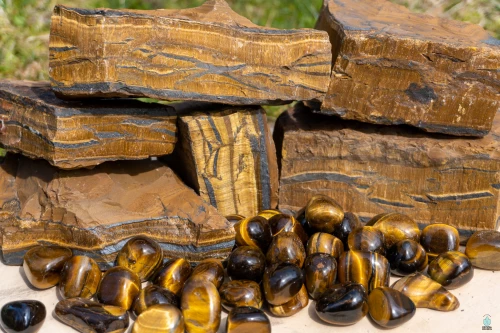
Tiger's Eye
Golden to brown with a silky, shifting band of light known as chatoyancy.
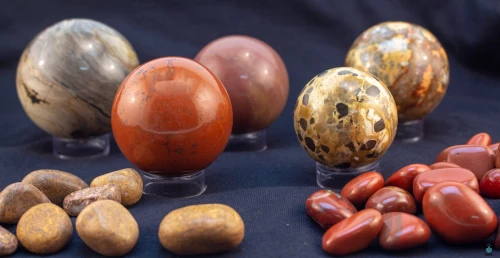
Agate & Jasper
Both are chalcedony, a fine-grained form of quartz. Agate shows banding and is translucent, while jasper is solid-colored and opaque.
Tips for a Better Crystal Photo
Use natural light
Daylight shows true color. Avoid warm bulbs and heavy filters that shift hues.
Keep the background plain
A white sheet or table keeps the focus on the stone.
Get close and stay sharp
Fill the frame with the crystal and tap to focus so texture and shine are visible.
Not sure how to tell two crystals apart?
Read our guide: What crystal is this? Or looking for everyday stones? Try the rock identifier.
Crystal Identifier FAQ
How do I identify a crystal by photo?
Open the Crystal Council Rock Identifier app, take a photo of your crystal or upload one, and the app returns the closest match with its name and properties.
How do I get the best results from the crystal identifier?
Use natural daylight, a plain background and a sharp, close-up photo. If the crystal has several faces or a different look underneath, try a second angle.
Can the crystal identifier tell similar crystals apart?
It compares your photo against a large crystal knowledgebase. Look-alikes such as amethyst and purple fluorite can be tricky, so premium members can chat with a crystal expert to confirm any uncertain result.
What information do I get about my crystal?
You get the crystal name along with its properties and chakra associations, plus the option to save it to your favorites or collection and revisit your scan history.
Is the crystal identifier free?
The app is free to download with a limited number of identifications. Premium ($5.99/month or $29.99/year) unlocks unlimited identifications, expert chat and a permanent 5% discount in the Crystal Council shop.
Identify Your Crystals Today
Download the free crystal identifier app for iPhone and Android.